Bright Skylark Literary Productions
Author Statement
Blog: Visionary Vibes
>
Aberjhani - Author Biography
Bright Skylark News Notes
Blog: Cultural Arts Reviews and Remembrances
Blog: Sonic Delight Music Reviews
>
Summer-Song Rhapsody for Michael Jackson: Editorial with Poem
Shifting Points of View and the Massacre in Charleston, South Carolina (USA)
>
Author-Poet Aberjhani in the News
7 Ways to Help Replace Legislated Fear with Informed Compassion
Greeting Flannery O'Connor at the Back Door of My Mind
>
Tribute to Savannah Author Robert T.S. Mickles Sr.
Dreams of the Immortal City Savannah
>
Podcast Prospects 504
More Books by Aberjhani
>
Readers & Reviewers on the Writings of Aberjhani
Checking in at Goodreads
Editing Credits
ELEMENTAL: The Power of Illuminated Love (Art and Poetry Gift Book)
The River of Winged Dreams
The Wisdom of W.E.B. Du Bois
Songs from the Black Skylark zPed Music Player: A Novel by Aberjhani
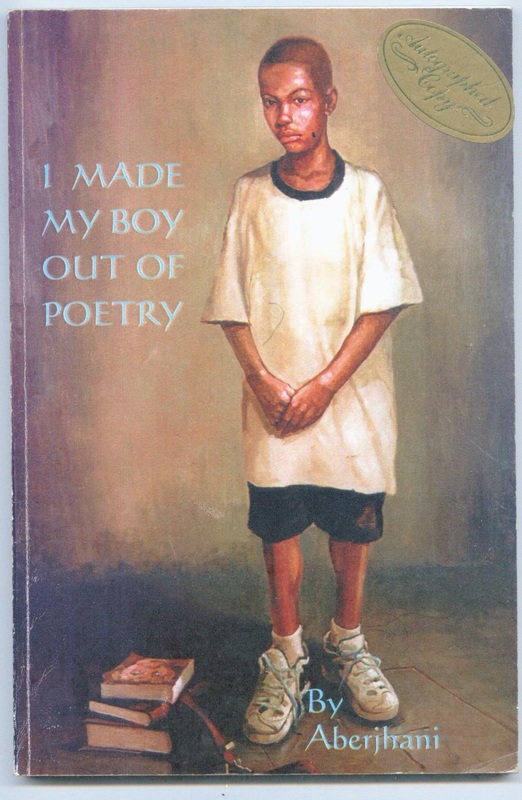
I Made My Boy Out of Poetry
Journey through the Power of the Rainbow: Quotations from a Life Made Out of Poetry
Buy Books by Aberjhani on Amazon
10th Anniversary of Encyclopedia of the Harlem Renaissance
AI Literary Chat Salon
Carousel of Sustainable Compassion
Art and Poster Store
Blog: Silk-Featherbrush Art and Style
Postered Poetics
Your Introduction to Original Silk-Featherbrush Art & Style
Choose a Cultural Arts Heritage Project to Support
Working Scribe Image Carousel
Awards & Honors
Aberjhani Portfolio Sampler
Pop Icon Michael Jackson in Life & Legend
Creative Thinkers International
About Bright Skylark Literary Productions
Bright Skylark Values and Motto
Famous Quotes of Note
Pinterest Page of Quotations
Charter for a More Compassionate World
As a Poet Thinketh
The Bridge of Silver Wings
Rainbow-Song for the Angel of Tao by Aberjhani
Ode to the Good Black Boots that Served My Soul So Well (poem by Aberjhani)
Angel of Remembrance: Candles for September 11, 2001
Rainbow-Song for the Angel of Tao: Verse 1
Articles and Essays
Abbreviated Minds in the News for Wreaking Havoc Worldwide editorial by Aberjhani
Iconic Authors Toni Morrison's and Harper Lee's New Works Likely to Influence Dialogues on Race
Red Summer: Text and Meaning in Claude McKay’s poem ‘If We Must Die’” part 1 of special 4-part series by Aberjhani
A Writer's Journey to Selma, Alabama
Justice Remains Elusive in Case of Newly-freed Louis C. Taylor (Part 1 of 2)
Sensualized Transcendence: Editorial and Poem on the Art of Jaanika Talts (Part 1)
Realms of Emerging Light (Sensualized Transcendence Editorial and Poem on the Art of Jaanika Talts Part 2)
Notes on the 150th Anniversary of the Emancipation Proclamation
Why Race Mattered in Barack Obama's Re-Election: Editorial and Poem
Posted Perspectives on America's 2012 Presidential Election
47 Percenters and Guerrilla Decontextualization: Dreamers and Nightmares
Considering Michael Clarke Duncan: Big Black Man Within A Nonsociopoliticohistorical Context (Editorial with Poem)
Video Pen & Ink
Links and Connections
Aberjhani's Guerrilla Decontextualization
Contact the Author
Working Scribe Image Carousel 2
Working Scribe Image Carousel 2
Working Scribe Image Carousel 2
Bright Skylark LP Storefront
Author Statement
Blog: Visionary Vibes
>
Aberjhani - Author Biography
Bright Skylark News Notes
Blog: Cultural Arts Reviews and Remembrances
Blog: Sonic Delight Music Reviews
>
Summer-Song Rhapsody for Michael Jackson: Editorial with Poem
Shifting Points of View and the Massacre in Charleston, South Carolina (USA)
>
Author-Poet Aberjhani in the News
7 Ways to Help Replace Legislated Fear with Informed Compassion
Greeting Flannery O'Connor at the Back Door of My Mind
>
Tribute to Savannah Author Robert T.S. Mickles Sr.
Dreams of the Immortal City Savannah
>
Podcast Prospects 504
More Books by Aberjhani
>
Readers & Reviewers on the Writings of Aberjhani
Checking in at Goodreads
Editing Credits
ELEMENTAL: The Power of Illuminated Love (Art and Poetry Gift Book)
The River of Winged Dreams
The Wisdom of W.E.B. Du Bois
Songs from the Black Skylark zPed Music Player: A Novel by Aberjhani
I Made My Boy Out of Poetry
Journey through the Power of the Rainbow: Quotations from a Life Made Out of Poetry
Buy Books by Aberjhani on Amazon
10th Anniversary of Encyclopedia of the Harlem Renaissance
AI Literary Chat Salon
Carousel of Sustainable Compassion
Art and Poster Store
Blog: Silk-Featherbrush Art and Style
Postered Poetics
Your Introduction to Original Silk-Featherbrush Art & Style
Choose a Cultural Arts Heritage Project to Support
Working Scribe Image Carousel
Awards & Honors
Aberjhani Portfolio Sampler
Pop Icon Michael Jackson in Life & Legend
Creative Thinkers International
About Bright Skylark Literary Productions
Bright Skylark Values and Motto
Famous Quotes of Note
Pinterest Page of Quotations
Charter for a More Compassionate World
As a Poet Thinketh
The Bridge of Silver Wings
Rainbow-Song for the Angel of Tao by Aberjhani
Ode to the Good Black Boots that Served My Soul So Well (poem by Aberjhani)
Angel of Remembrance: Candles for September 11, 2001
Rainbow-Song for the Angel of Tao: Verse 1
Articles and Essays
Abbreviated Minds in the News for Wreaking Havoc Worldwide editorial by Aberjhani
Iconic Authors Toni Morrison's and Harper Lee's New Works Likely to Influence Dialogues on Race
Red Summer: Text and Meaning in Claude McKay’s poem ‘If We Must Die’” part 1 of special 4-part series by Aberjhani
A Writer's Journey to Selma, Alabama
Justice Remains Elusive in Case of Newly-freed Louis C. Taylor (Part 1 of 2)
Sensualized Transcendence: Editorial and Poem on the Art of Jaanika Talts (Part 1)
Realms of Emerging Light (Sensualized Transcendence Editorial and Poem on the Art of Jaanika Talts Part 2)
Notes on the 150th Anniversary of the Emancipation Proclamation
Why Race Mattered in Barack Obama's Re-Election: Editorial and Poem
Posted Perspectives on America's 2012 Presidential Election
47 Percenters and Guerrilla Decontextualization: Dreamers and Nightmares
Considering Michael Clarke Duncan: Big Black Man Within A Nonsociopoliticohistorical Context (Editorial with Poem)
Video Pen & Ink
Links and Connections
Aberjhani's Guerrilla Decontextualization
Contact the Author
Working Scribe Image Carousel 2
Working Scribe Image Carousel 2
Working Scribe Image Carousel 2
Bright Skylark LP Storefront

 RSS Feed